
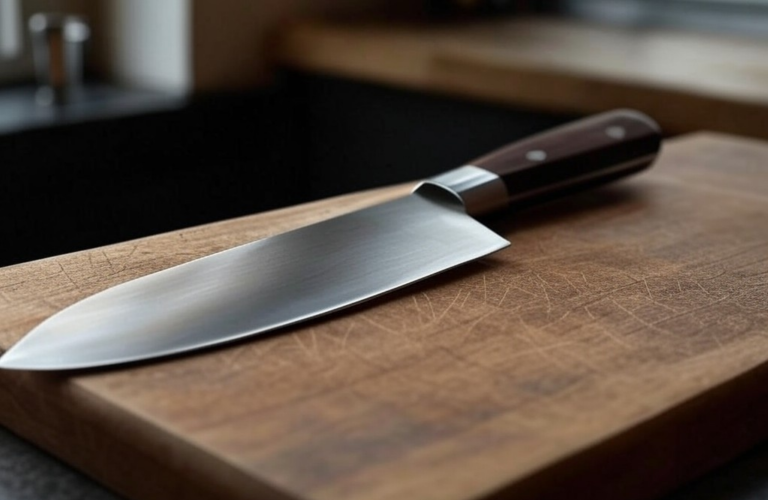
Culinary Cuts
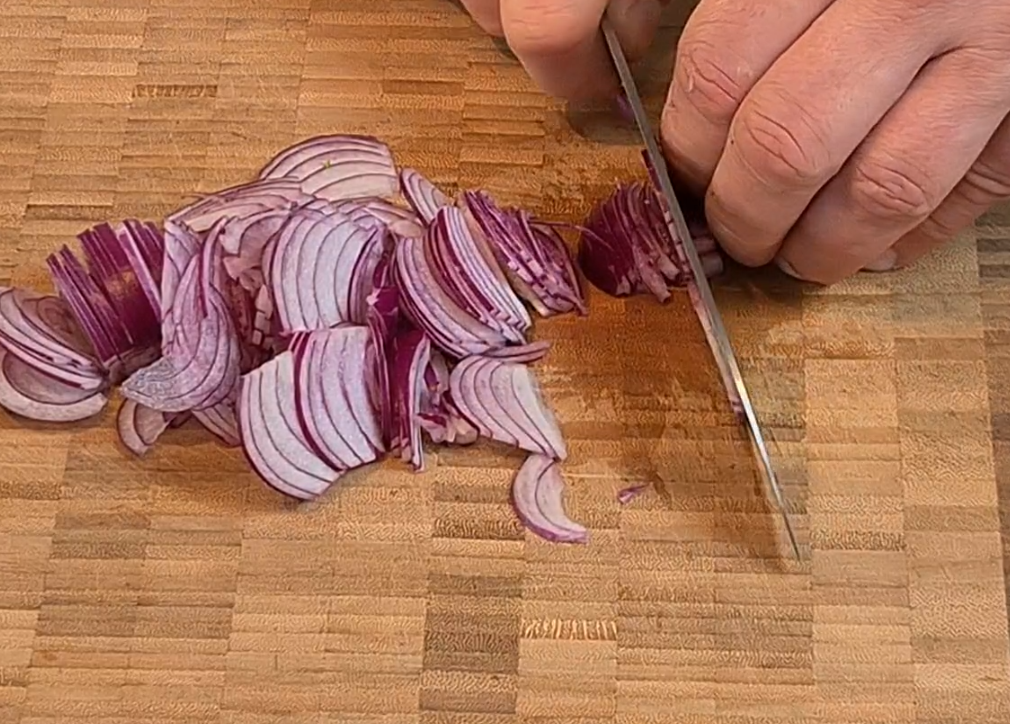
Julienne: Thin, long strips generally about 2-3 mm thick. Ideal for carrots, celery, and peppers.
—
Brunoise: Similar to julienne, but then these strips are cut into small cubes about 2 mm on each side. It’s an advanced technique for achieving uniform size.
—
Dice:
- Large Dice – Carre: Cubes approximately 2 cm on each side.
- Medium Dice – Parmentier: Cubes about 1 cm on each side.
- Small Dice Macedoine: Cubes around 0.5 cm on each side.
—
Chiffonade: Used mainly for herbs and leafy greens. The leaves are rolled up and then cut into very thin strips.
—
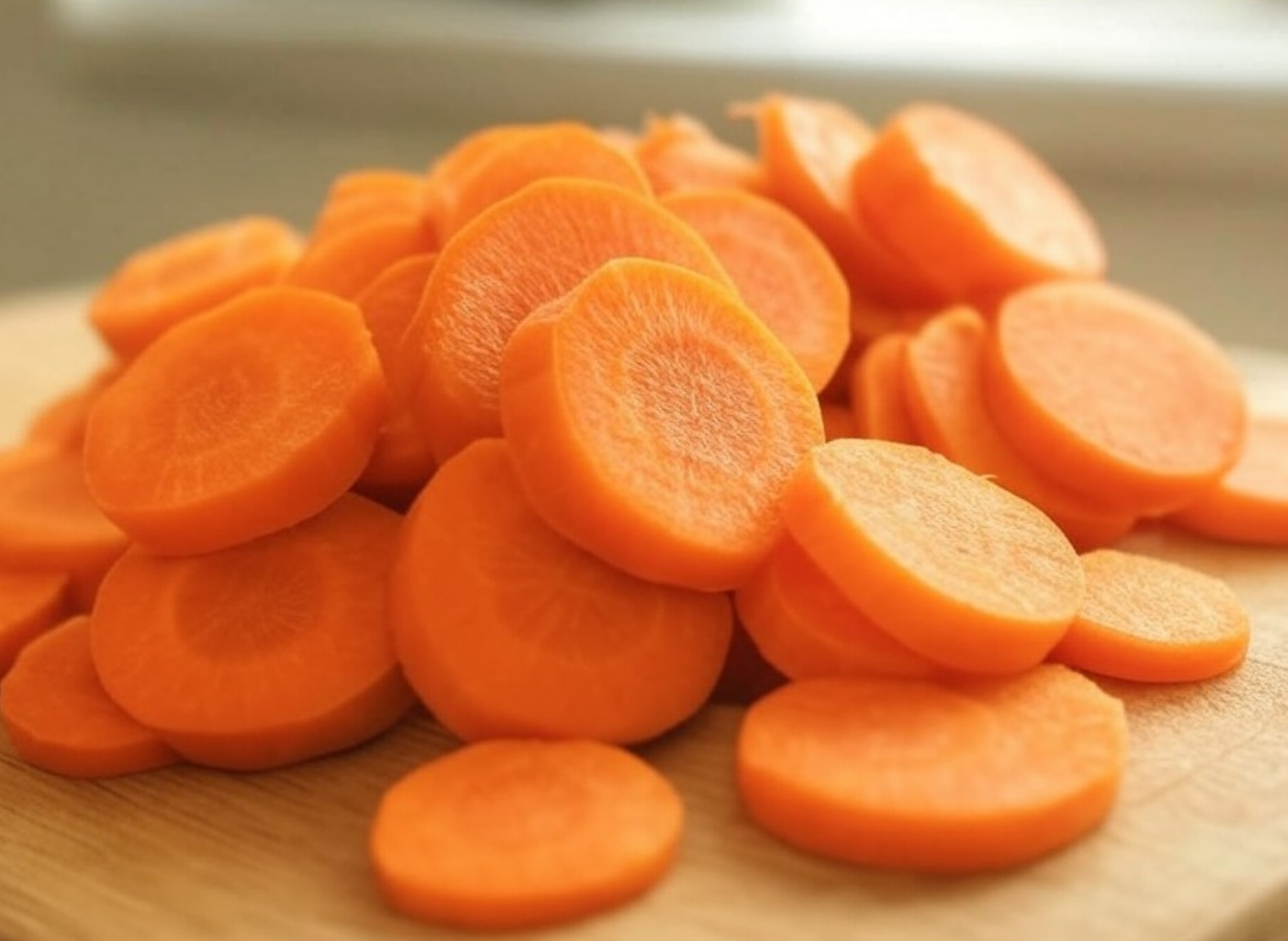
Rondelle: Round or sliced cuts, used for cucumbers, carrots, or any cylindrical vegetable.
—
Bias or Chateau: Diagonal cuts, giving slices an oval shape, typically done with carrots or celery to increase the surface area for cooking.
—
Baton: Similar to julienne but with larger dimensions, like 1.2 cm x 1.2 cm x 5 cm.
—
Batonnet: Similar to julienne but with larger dimensions, like 0.6 cm x 0.6 cm x 5 cm.
—
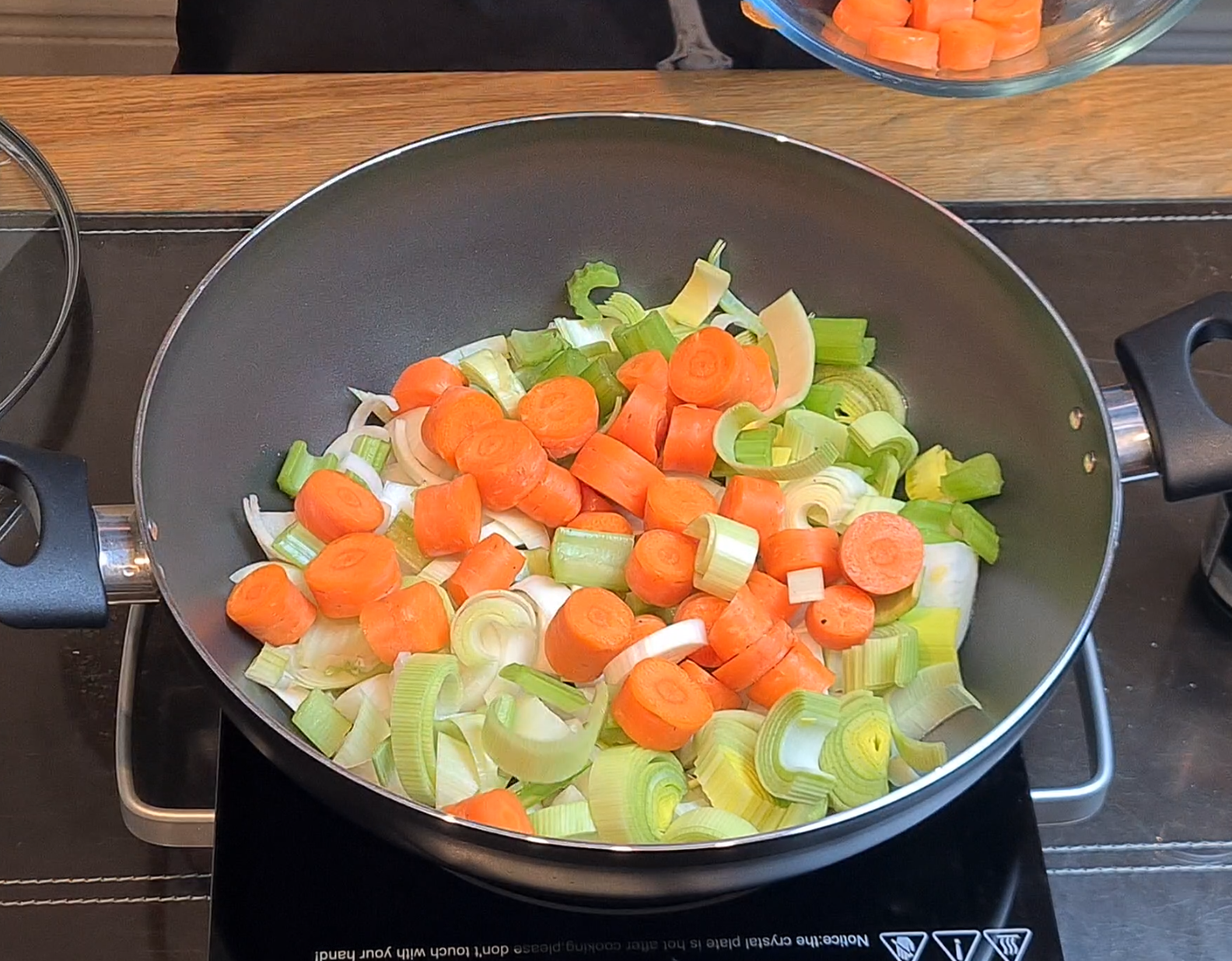
Mirepoix: Although not a specific cut, it’s a chopping style where onions, carrots, and celery are cut into large pieces for soup and sauce bases.
—
Paysanne: Cut into flat, thin shapes like triangles, rectangles, or circles, usually 1-2 mm thick.
—
Chop: A general term for cutting ingredients into irregular pieces, without the need for uniformity.
—
Mince: Cut into very small pieces, almost to the point of turning into a paste, used for garlic, herbs, or onions.
—
Slice: To cut into slices or slabs, can be any thickness depending on the use.
—
Shred: Generally applied to cooked meat or vegetables to get thin strands.
—